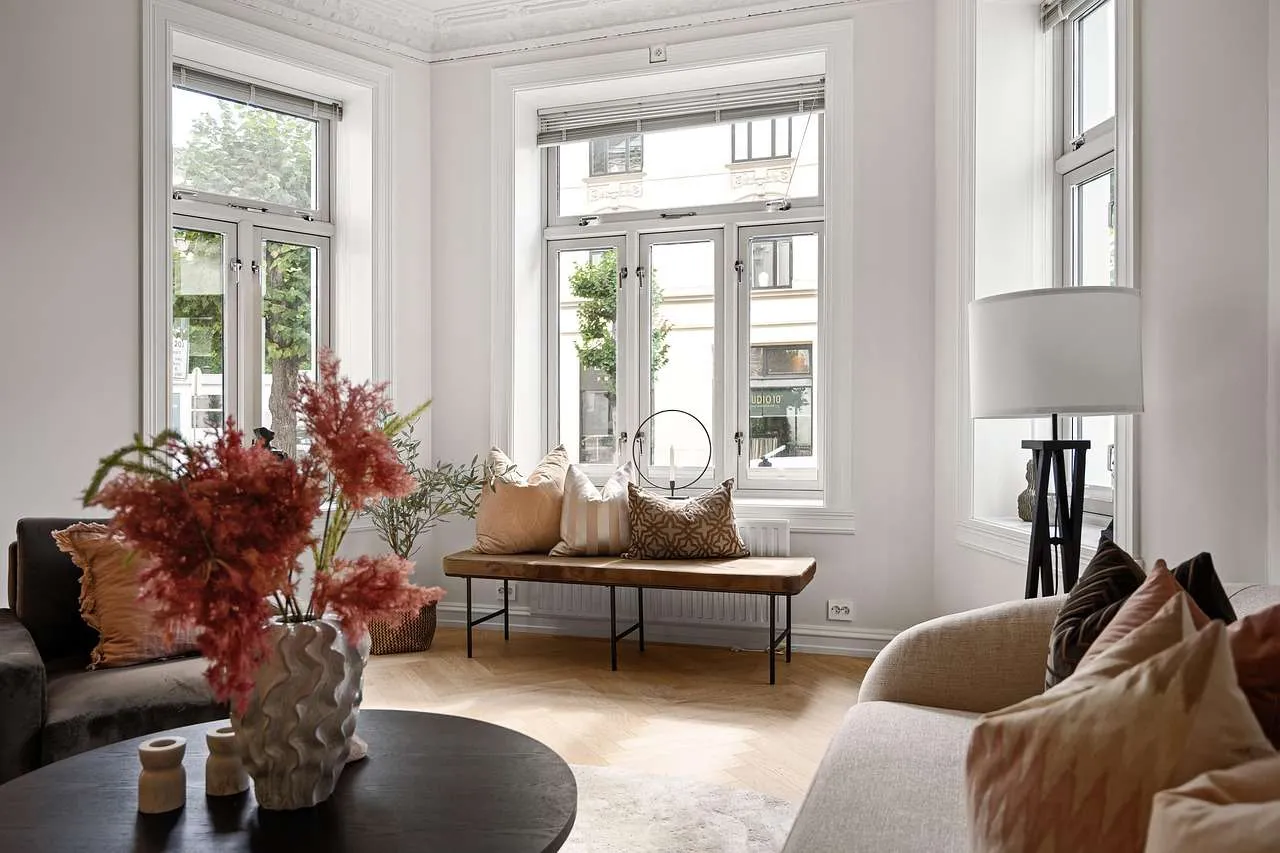
Home window tinting is a practical upgrade that improves comfort, reduces glare, and protects interior furnishings from fading. By applying a specialized film to existing glass, homeowners can lower heat gain, block ultraviolet rays, and add privacy without sacrificing natural light. This article delivers an expert, EEAT minded guide to choosing the right tint, estimating costs, and ensuring a safe, compliant installation.
What is Home Window Tinting?
Home window tinting involves attaching a thin, durable film to the interior surface of glass panes. The film can be dyed, metalized, ceramic, or carbon embedded, each with distinct performance characteristics. When installed correctly, tinting reduces solar heat transfer, minimizes glare, and shields people and belongings from UV damage. A professional installation typically improves durability and warranty coverage, while a DIY approach may suit small projects or temporary needs.
Key Benefits of Home Window Tinting
- Energy savings: Reduces cooling loads in hot climates and can lower utility bills.
- UV protection: Blocks up to 99 percent of ultraviolet rays, safeguarding furniture, flooring, and skin.
- Glare reduction: Improves comfort for screens, work sessions, and daytime visibility.
- Privacy and aesthetics: Enhances curb appeal while maintaining natural light.
- Safety and security: Some films hold shattered glass in place after impact, reducing risk of injury.
Types of Window Tint Films
Choosing the right film depends on climate, budget, and desired outcome. Here are the most common categories:
Dyed Window Tint
Dyed films absorb solar energy to provide shade and privacy. They are typically the most budget friendly but may fade over time and offer moderate heat rejection.
Metalized Tint
Metalized films reflect heat and can add strength to the glass. They can interfere with signals for devices like GPS and cell phones, so consult your tech layout before choosing.
Ceramic Tint
Ceramic films use nonconductive, microscopic minerals to deliver superior heat rejection, excellent clarity, and minimal interference with devices. They are often the best all-around option for comfort and durability.
Carbon Tint
Carbon films reduce infrared heat and provide a rich, darker look without metallic reflectivity. They typically maintain color over time and resist fading well.
Low-E and Special Coatings
Low-E coatings and specialty stacks maximize energy efficiency and UV protection, but they can come at a higher cost and require precise installation to avoid edge issues.
Professional Tinting vs DIY
Professional installers bring experience, safety, and warranties. They ensure bubble-free application, edge sealing, and compatibility with existing window hardware. DIY kits can be a cost saver for small projects but may void manufacturer warranties if not applied correctly. Important considerations include surface prep, cleaning with non-ammonia solutions, and proper tool use to avoid edge lifting or peel.
Legal, Privacy, and Practical Considerations
Local laws and homeowners associations often regulate permissible tint levels and reflectivity for residential windows. Visible light transmission VLT limits vary by jurisdiction, so it is essential to verify requirements before purchasing or installing film. A compliant installation protects you from fines and ensures insurance coverage remains valid. Additionally, consider daylighting needs; overly dark films can reduce natural light and impact nighttime safety.
Maintenance and Longevity
Maintenance is straightforward: clean with a soft cloth and a non-ammonia cleaner to avoid film damage. Avoid abrasive pads, which can scratch the surface. Periodic inspection for edge lifting, bubbling, or discoloration helps catch issues early. The lifespan of window tinting depends on film type, climate, and installation quality, with ceramic and carbon films typically offering longer-term performance.
Cost, Warranties, and ROI
Costs for home window tinting vary based on film type, window size, and whether you hire a pro. Professional installation generally ranges from a few hundred to a few thousand dollars. While dyed films are cheaper, ceramic and carbon films deliver higher heat rejection and longer durability, often justifying the investment for hot climates. ROI comes from energy savings, furniture protection, and potential improvements in comfort and property value. Warranties vary by film and installer, but reputable providers offer coverage for bubbling, peeling, or fading for a defined period.
Comparison of Tint Film Types
| Type | Light Transmission | Heat Rejection | UV Rejection | Durability | Pros | Cons |
|---|---|---|---|---|---|---|
| Dyed | Moderate | Low to Moderate | Good | Moderate | Budget friendly, hides imperfections | Can fade, may bubble over time |
| Metalized | Low to Moderate | High | Excellent | High | Excellent heat reflection, adds strength | Signal interference, color can change |
| Ceramic | High | Excellent | Excellent | Very Durable | Best overall performance, no signal interference | Higher cost |
| Carbon | Good | Good | Excellent | Durable | Rich appearance, fade resistant | Mid to high price |
| Low-E and Coatings | High | Excellent | Excellent | High | Superior energy efficiency | Premium cost, careful installation needed |
Conclusion
Conclusion, home window tinting is a versatile upgrade offering tangible comfort, energy savings, and UV protection. By understanding film types, evaluating local regulations, and choosing between professional installation or careful DIY, homeowners can achieve durable results that enhance living spaces while protecting valuables. Prioritize reputable installers, inquire about warranties, and select a film that aligns with climate goals and lifestyle needs. A well-chosen tint not only elevates interior comfort but also supports long term value and sustainability of the home."