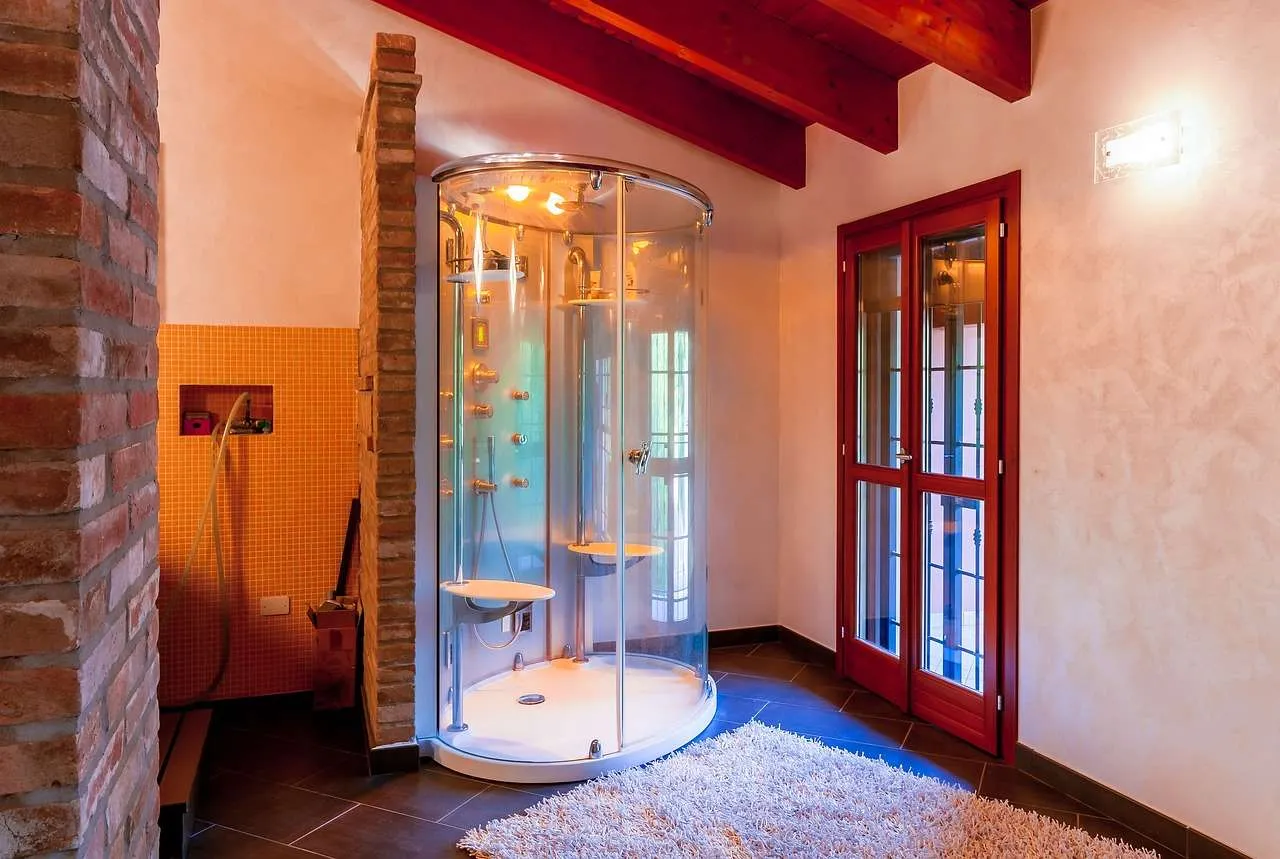
Introduction to Bathroom Decor
Every bathroom is a potential retreat. Bathroom decor involves more than selecting a pretty towel; it’s about balancing function with style. Great bathroom decor relies on enduring palettes, moisture-resistant materials, and a thoughtful layout. This guide delivers practical ideas rooted in design principles and industry experience, helping you plan, choose colors and textures, and select fixtures that endure humidity while expressing your personal taste. Whether you’re renovating a compact powder room or refreshing a master bath, you can achieve a cohesive, inviting space with intention and clarity.
Key Elements of Great Bathroom Decor
Successful bathroom decor starts with a solid plan. The most enduring spaces harmonize color, texture, lighting, and storage. Focus on four pillars: color palette, materials and textures, fixtures and storage, and lighting. Each choice should support the others and adapt to your daily routines and the bathroom’s size.
Color Palettes
Light neutrals—creams, taupes, and soft grays—open small bathrooms and reflect natural light, creating a sense of airiness. Pair them with cool or warm accents to set the mood: a crisp white sink with brushed nickel fixtures for a contemporary feel, or warm wood tones and stone textures for a spa-like retreat. For larger bathrooms, introduce depth with a bold accent wall, mosaic tile, or saturated cabinetry. Always test color swatches under different lighting because the same shade reads differently with daylight and artificial light.
Materials and Textures
Durable, moisture-resistant materials are essential. Porcelain or ceramic tiles, porcelain stoneware, and quartz countertops resist humidity and are easy to clean. Integrate contrasting textures—matte tile with polished hardware, soft woven towels with a sleek glass shower enclosure, or a natural stone vanity top with a matte cabinet finish—to add depth without clutter. Wood accents can warm modern spaces, but choose rot-resistant species or high-quality laminates treated for moisture exposure.
Fixtures, Storage, and Layout
Scale matters. For small baths, wall-hung vanities and compact toilets free floor space, while floating shelves and corner cabinets maximize vertical storage. In larger baths, consider a dual vanity, freestanding tub, or a statement mirror. Incorporate smart storage: recessed niches in showers, magnetic organizers inside medicine cabinets, and baskets that corral everyday items. A well-planned layout reduces daily friction and keeps the space feeling calm and orderly.
Lighting and Ambiance
Layered lighting transforms a bathroom from functional to welcoming. Combine ambient ceiling lighting with task lighting around mirrors and accent lighting to highlight architectural features or textures. Choose bulbs in the 2700–3000K range for a warm, flattering glow. Dimmers help balance brightness for grooming tasks and tranquil evenings. Natural light, when available, is a powerful ally—maximize it with translucent or light-filtering window treatments that preserve privacy.
Accessories and Art
Accessories should complement the overall design rather than compete with it. Choose towels, soap dispensers, and storage containers in a cohesive finish—brushed nickel, matte black, or warm brass all work well across styles. Introduce texture with woven baskets, plants for a touch of greenery, and a single piece of art or a carefully framed mirror. Keep surfaces clutter-free to maintain a spa-like feel.
Bathroom Decor for Different Sizes
Small bathrooms benefit from pale palettes, wall-mounted fixtures, and transparent shower enclosures to create a sense of space. Medium baths can introduce color accents and larger mirrors to reflect light, while large baths allow focal fixtures like a statement vanity, freestanding tub, or dramatic tile work. Regardless of size, maintain a clear route through the space and avoid overloading with decor items that impede movement.
Budget-Friendly Upgrades and DIY Tips
Upgrading bathroom decor doesn’t require a complete remodel. Start with a fresh coat of moisture-resistant paint in a timeless color, swap out dated hardware for brushed metal or matte finishes, and replace inexpensive vanity mirrors with a larger, framed piece to elevate the room. Peel-and-stick backsplash tiles, affordable vinyl plank flooring, and weather-resistant peel-and-stick wallpaper are viable options for high-impact changes with limited downtime. When choosing materials, prioritize durability and ease of cleaning to maximize long-term value.
Style Comparisons: A Quick Table
| Style | Color Palette | Key Elements | Ideal Space |
|---|---|---|---|
| Classic | Creams, whites, soft blues | Undertones of marble, colonial hardware, undermount sinks | Medium to large bathrooms with timeless fixtures |
| Minimalist | White, gray, black accents | Clean lines, concealed storage, wall-hung vanities | Small to medium spaces seeking calm & simplicity |
| Spa | Warm neutrals, stone textures | Soft lighting, natural materials, freestanding tub | Master baths or dedicated retreat zones |
| Rustic | Earth tones, wood, earthy stone | Open shelving, matte metal fixtures, weathered finishes | Houses with character and larger footprints |
| Contemporary | Neutral base with bold accents | Statement vanity, glass, metal, geometric patterns | Any size seeking a fresh, current look |
Maintenance and EEAT: Building Trust in Decor Advice
Quality bathroom decor advice rests on expertise, experience, authority, and trust (EEAT). Rely on sources that emphasize moisture management, mold prevention, and product durability. When following online guidance, cross-check recommendations with manufacturer data and professional installers, especially for electrical fixtures, plumbing changes, or structural updates. Regular maintenance—regrouting, re-caulking, sealing, and cleaning with appropriate products—extends the life of your decor choices and preserves safety and hygiene standards.
Conclusion
Conclusion, a cohesive bathroom decor blends color palettes, materials, lighting layers, and smart storage to create a functional sanctuary. Start with a clear plan, sample swatches, and precise measurements; for small baths, prioritize light tones and vertical storage, while larger spaces benefit from texture and focal fixtures. Regular maintenance and choosing durable, moisture-resistant materials ensure longevity, so invest in timeless hardware, quality surfaces, and adaptable lighting. By following these guidelines, you can achieve a stylish, durable bathroom that remains inviting for years to come.